
Oak processionary moth: spotting concerns and reporting safely
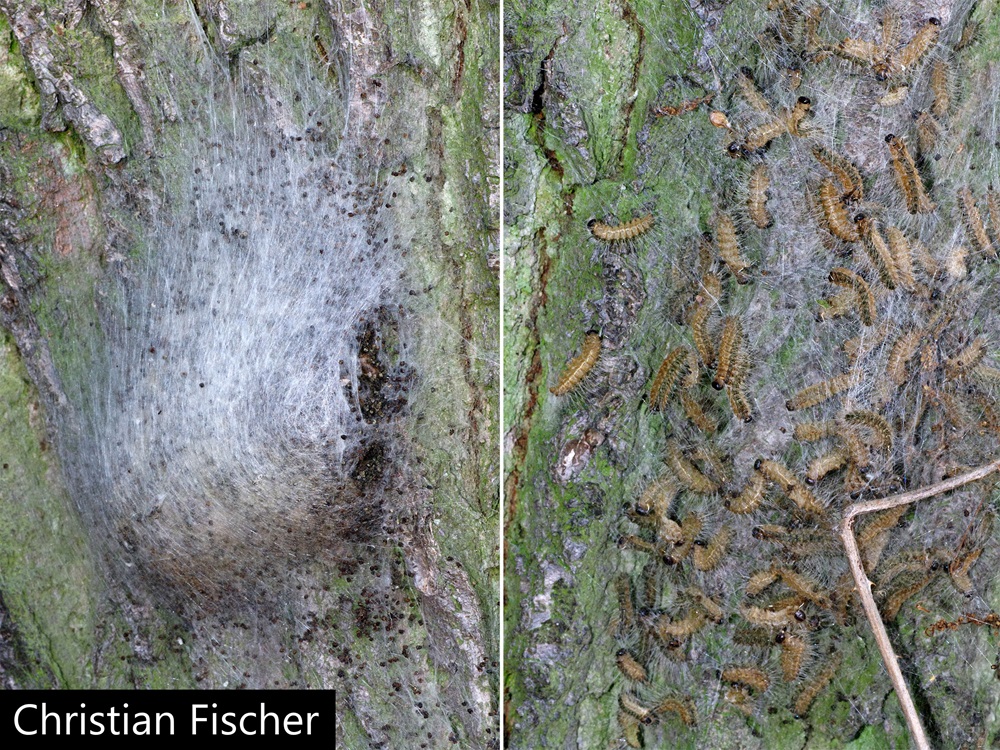
This guide adapts Sarah Gwilliam’s original article, published on 17 November 2024. Revised for the staging website on 21 September 2026.
If you think you have found oak processionary moth caterpillars or a nest, keep your distance and follow the Forestry Commission’s reporting guidance. Do not handle a caterpillar or collect a nest to identify it. The first step is a safe report, not a removal attempt or a routine tree-work booking.
Why a possible sighting matters
Oak processionary moth, often shortened to OPM, feeds on oak leaves. Its caterpillars and nests can carry irritating hairs that affect people and animals. Old nests can remain a concern after the caterpillars have gone, so an apparently empty nest should not be treated as safe to touch.
The Forestry Commission’s public warning explains why contact must be avoided. Keep children and pets away from suspected caterpillars and nests. If someone or an animal may have been affected, use the health or veterinary advice linked from the official OPM guidance rather than relying on a gardening article for treatment.
Identify from a distance, without collecting a sample
The Forestry Commission publishes photographs showing caterpillars and nests, including examples that can be mistaken for OPM. Use those illustrations to inform a report, but do not move closer simply to obtain a clearer picture. A photograph is useful only if it can be taken safely.
Write down the location and the date you noticed the problem. If you are reporting a tree beside a shared path or communal area, describe the location clearly enough for the responsible person to find it without approaching the suspected nest. You do not need to decide on a treatment before reporting a concern.
Report through the official channel
Use the reporting route provided in the Forestry Commission guidance, including TreeAlert. The official page is the right place to check current instructions and management areas; an old article or a neighbour’s previous experience may not reflect today’s arrangements.
For landowners and site managers, the separate OPM risk-management guidance sets out how to consider access, people using the site and appropriate specialist support. Tell anyone arranging work on the tree about the suspected sighting before a visit is booked.
Keep identification separate from treatment
Do not brush nests from a trunk, cut them out or put affected material into ordinary garden-clearance waste. Disturbance can create an exposure risk, and handling affected oak material needs appropriate planning. Specialist management is different from normal pruning or clearance.
Our earlier article included general garden-hygiene and home-care suggestions. Those have been removed here: tidying a garden is not a substitute for reporting suspected OPM, and ordinary gardening clothing is not a reason to approach a nest. This page does not describe a DIY treatment or promise that Canopy Care provides specialist OPM removal.
Before arranging ordinary tree work
Keep a note of any report reference and explain that OPM is suspected when discussing work on an oak. That allows the issue to be considered before anyone arrives expecting a standard pruning or clearance job.
For unrelated tree-care enquiries, see our tree surgery page and use Canopy Care’s current website to contact us. For a suspected OPM sighting, start with the Forestry Commission reporting route above. The staging website accepts labelled test enquiries only, not real enquiries or pest reports.
Get a free quote
No pressure, no obligation — just honest advice and a written price.